Loading...
Each pathway is a kind of work, with practice to learn it and assessments to prove it.
3 pathways
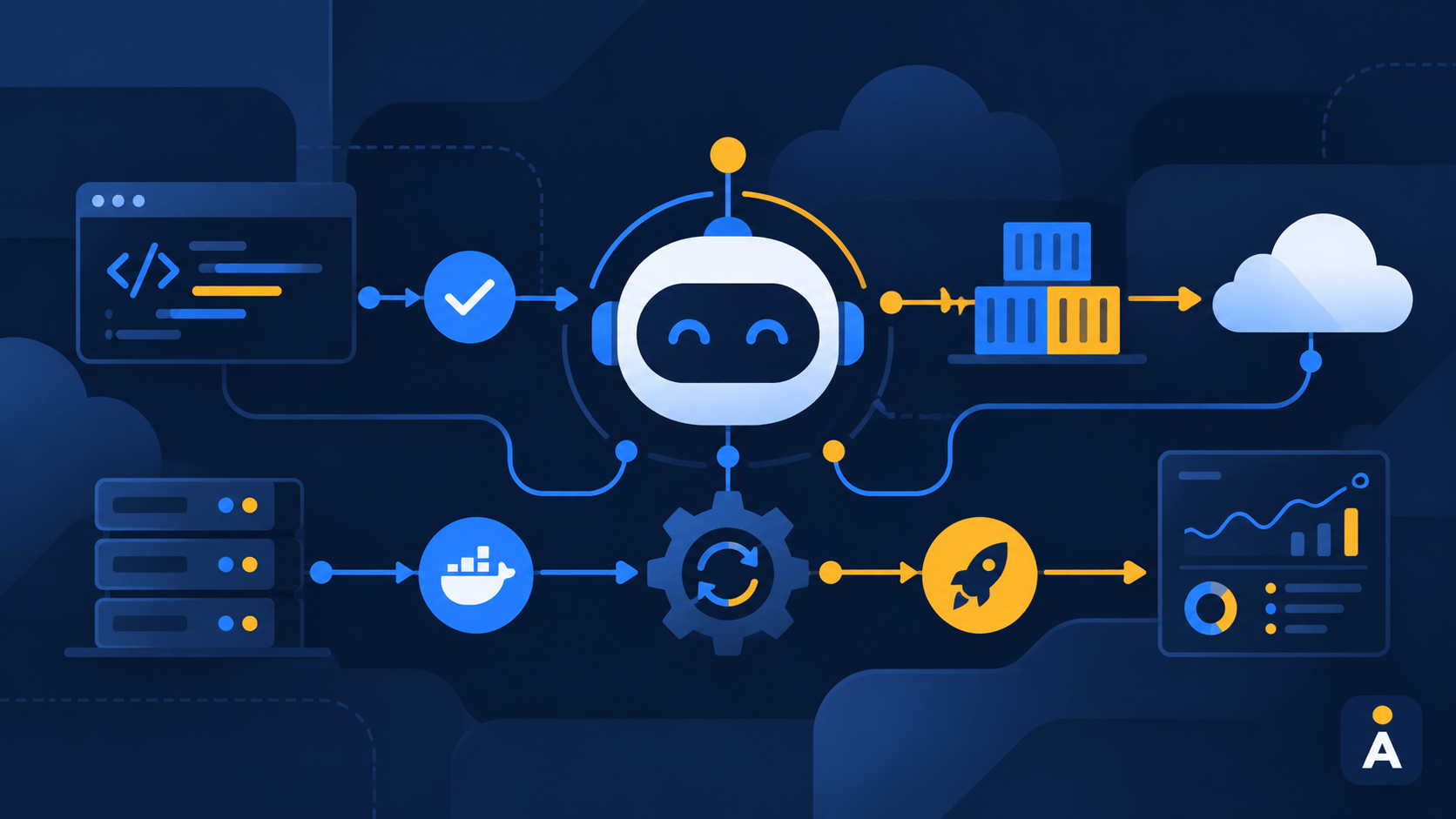
Agentic DevOps is a modern learning pathway that equips engineers to design, build, and operate software systems where AI agents actively participate in the DevOps lifecycle. It extends traditional DevOps practices by introducing autonomous and semi-autonomous agents that can generate code, orchestrate CI/CD pipelines, provision infrastructure, monitor systems, and assist in incident response, all within well-defined guardrails. Learners gain hands-on experience structuring agent-enabled workflows using APIs and tool-based interactions (such as MCP), implementing human-in-the-loop controls, and ensuring security, observability, and cost efficiency in production environments. By the end of the pathway, engineers are able to shift from manual execution to intent-driven operations, where humans define objectives and constraints while agents handle execution, enabling faster delivery, greater system resilience, and scalable AI-augmented engineering practices.
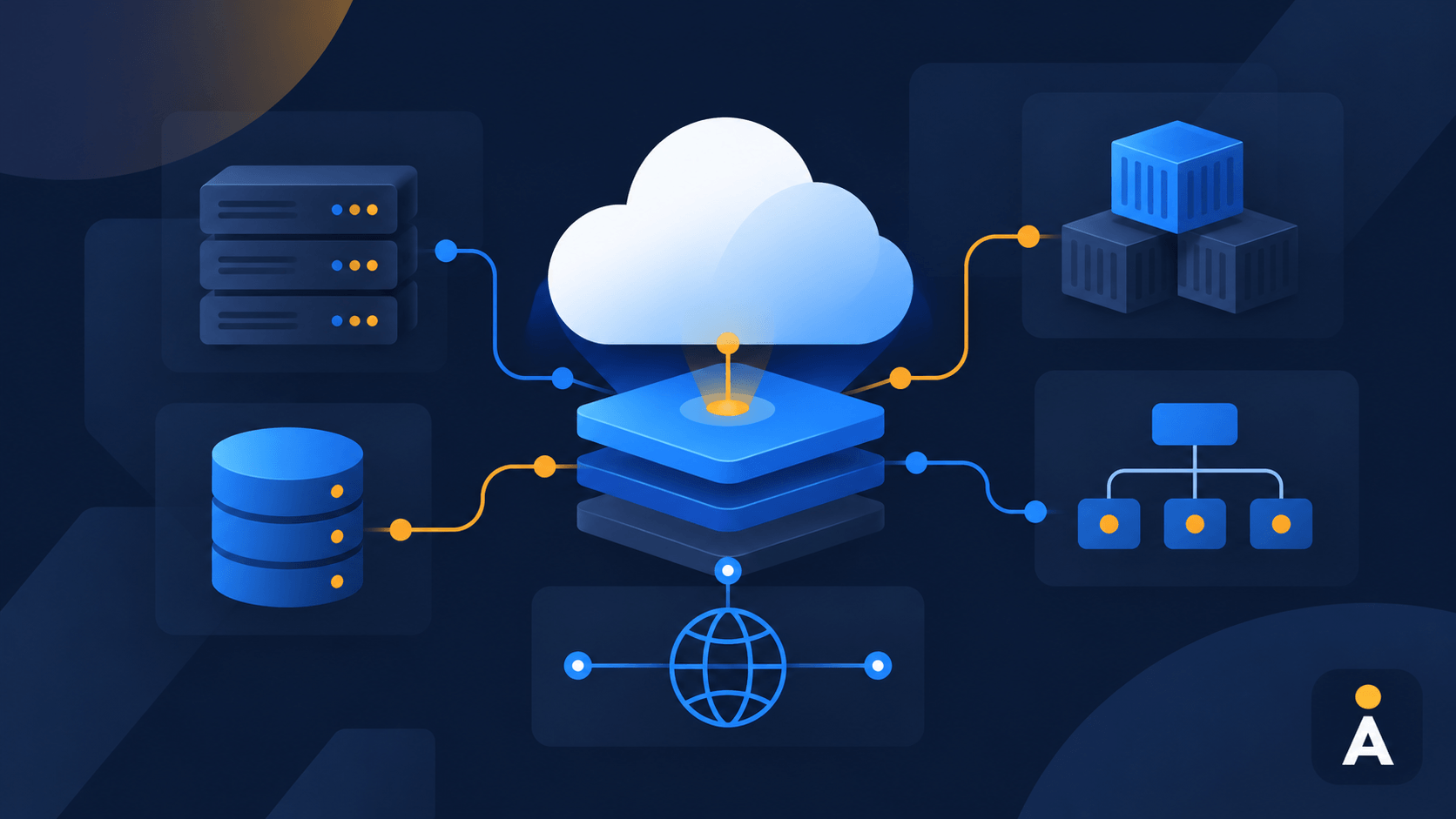
Cloud Engineering covers designing, provisioning, and operating infrastructure on modern cloud platforms — compute, storage, and networking fundamentals, infrastructure as code, identity and access management, cost and scalability tradeoffs, and the resilience patterns needed to run production workloads in the cloud.
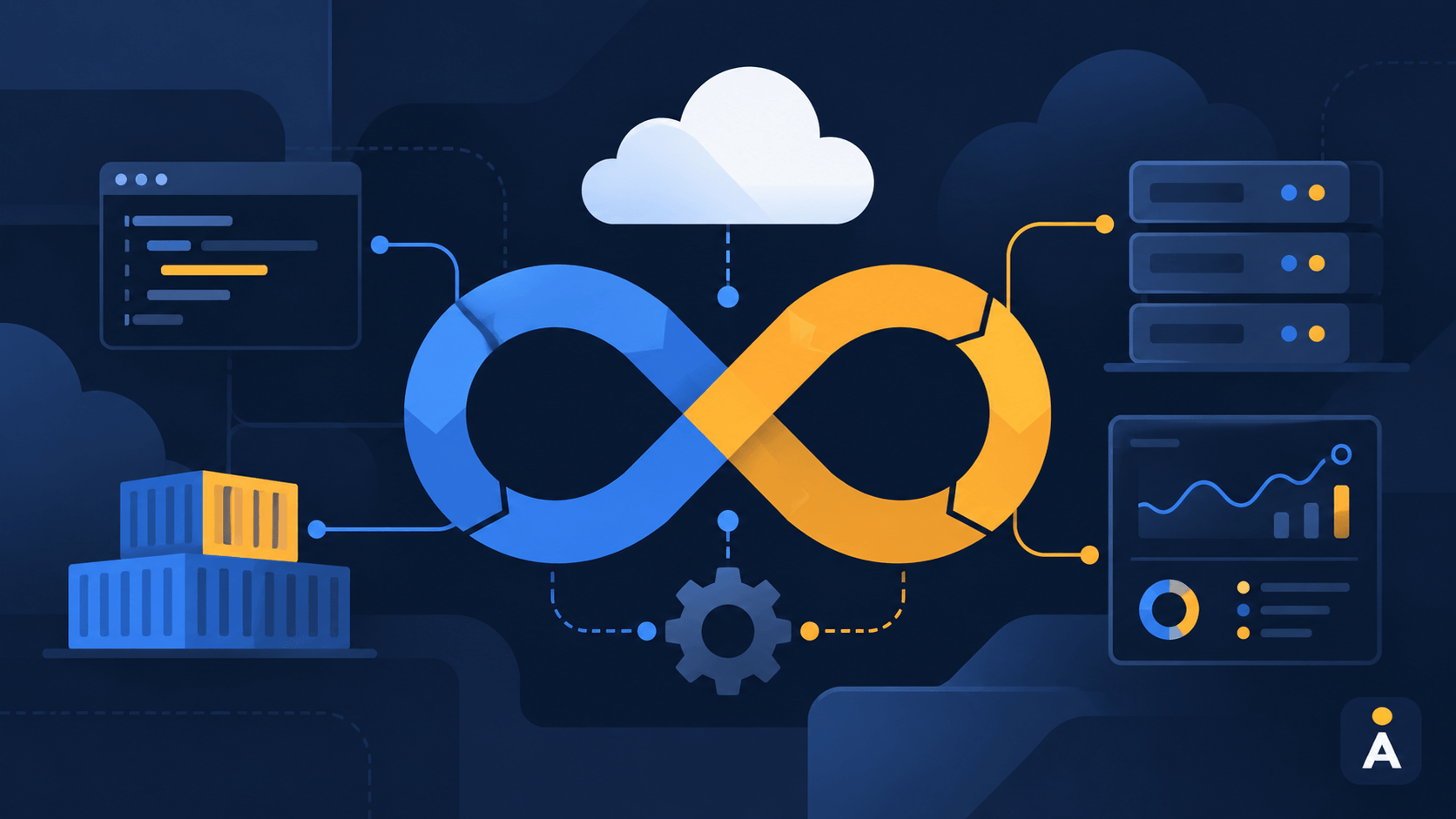
DevOps & Platform Engineering equips engineers to build and operate the systems that ship and run software reliably — version control workflows, CI/CD pipelines, containerization and orchestration (Docker, Kubernetes), infrastructure as code (Terraform), and the shell scripting and observability practices that keep production systems healthy. Learners progress from core Git and CI/CD fundamentals to designing resilient, automated delivery and platform operations.