Loading...
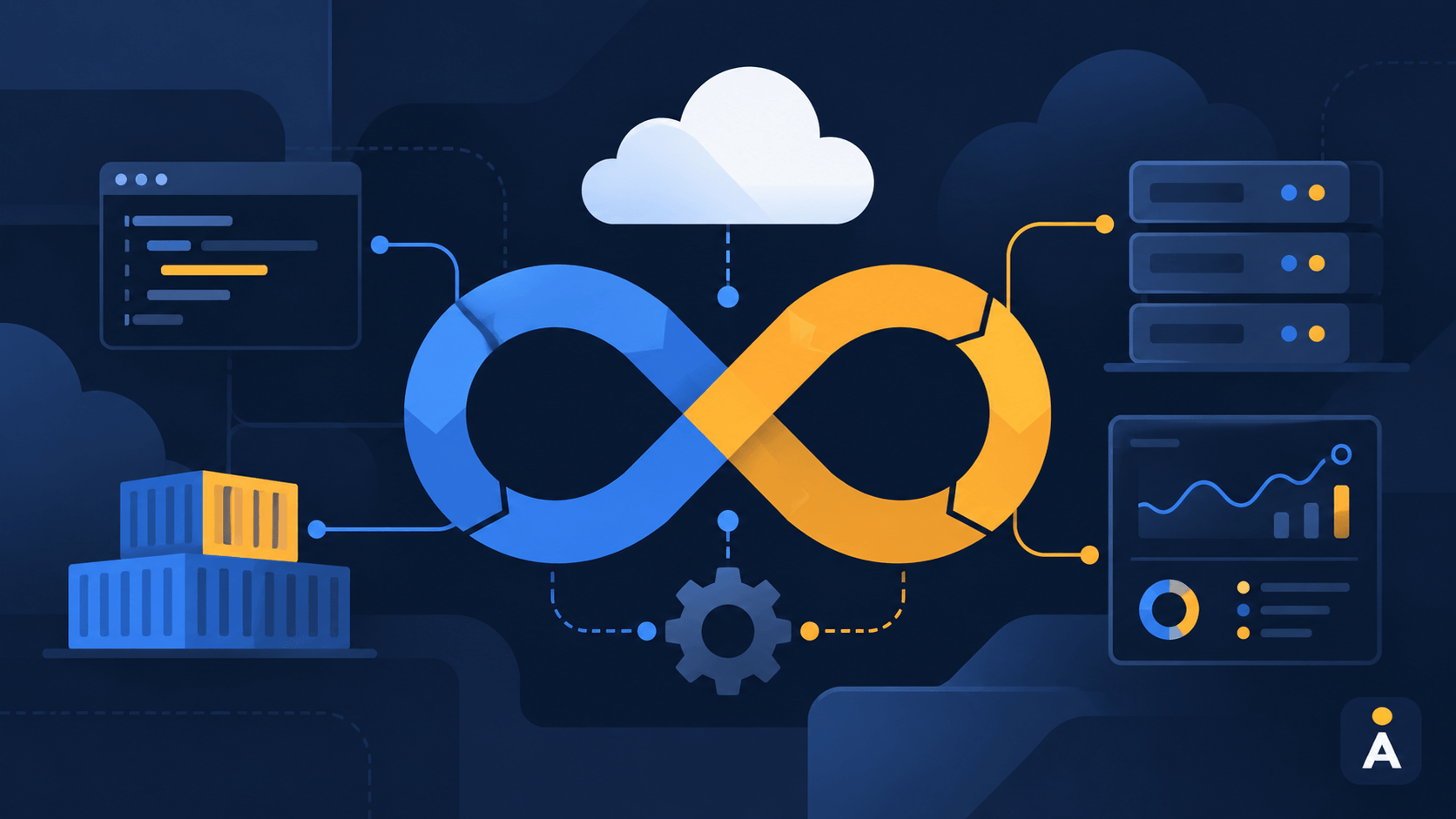
DevOps & Platform Engineering equips engineers to build and operate the systems that ship and run software reliably — version control workflows, CI/CD pipelines, containerization and orchestration (Docker, Kubernetes), infrastructure as code (Terraform), and the shell scripting and observability practices that keep production systems healthy. Learners progress from core Git and CI/CD fundamentals to designing resilient, automated delivery and platform operations.
Open a level to see what counts at it here.
Each one is evidence towards a level in this pathway.
L2 OperationalBadge and Certificate
Validates that an engineer can do real, bounded delivery work unsupervised: extend a pipeline, provision infrastructure as code, and read the signals a running system emits.
L1 FoundationalBadge and Certificate
Entry-level validation that an engineer can work inside an automated delivery pipeline: manage source on a shared repository, run a build-and-deploy pipeline, work with container images, and operate a Linux host. A pass says this person can be trusted with real delivery work.
L3 ProfessionalBadge and Certificate
Validates cluster ownership: bootstrapping and upgrading without downtime, restoring from etcd, scaling capacity against demand, and hardening the cluster to a defensible baseline.
L1 FoundationalBadge and Certificate
Entry-level validation that an engineer can run an application on Kubernetes: deploy a workload, supply it with configuration and storage, and troubleshoot it from the command line.
L4 ExpertBadge and Certificate
Validates architecture ownership of a Kubernetes estate: disaster recovery across clusters, cost-aware scaling design, mesh and CNI-layer dataplane decisions, and the security posture underneath them.
L2 OperationalBadge and Certificate
Validates that an engineer can run and expose real workloads unsupervised: control scheduling and resources, route traffic through Services and Ingress, and diagnose why a Pod will not start.
L4 ExpertBadge and Certificate
Validates ownership of delivery architecture across a system: designing the pipeline and infrastructure estate, setting the supply-chain security posture, and reforming how change gets approved.
L4 ExpertBadge and Certificate
Validates ownership of a platform as a product and an operating model: multi-tenant control-plane governance, guardrails across the estate, and redesigning team boundaries so the platform changes how the organisation delivers.
L4 ExpertBadge and Certificate
Validates ownership of reliability across a system: governing error budgets against delivery pressure, architecting telemetry at sustainable cost, proving resilience through deliberate failure, and engineering toil out of the organisation.
L2 OperationalBadge and Certificate
Validates that an engineer can build on an internal developer platform: ship a golden path, expose a self-service resource behind a sound abstraction, and model the catalog so ownership is answerable.
L3 ProfessionalBadge and Certificate
Validates judgement that needs no oversight: diagnosing a broken delivery path, choosing a deployment strategy against real risk, and handling secrets and artifact provenance correctly.
L3 ProfessionalBadge and Certificate
Validates judgement over a running platform: reasoning about the control plane and its reconciliation model, enforcing policy without breaking delivery, and measuring whether the platform is actually helping.
L3 ProfessionalBadge and Certificate
Validates judgement under production pressure: setting SLO targets that survive reality, alerting on symptoms rather than causes, correlating signals to find a cause, and turning a postmortem into a change that sticks.
L2 OperationalBadge and Certificate
Validates that an engineer can hold reliability work unsupervised: define an SLI that reflects user experience, query metrics to answer an operational question, and build a dashboard someone can act on.
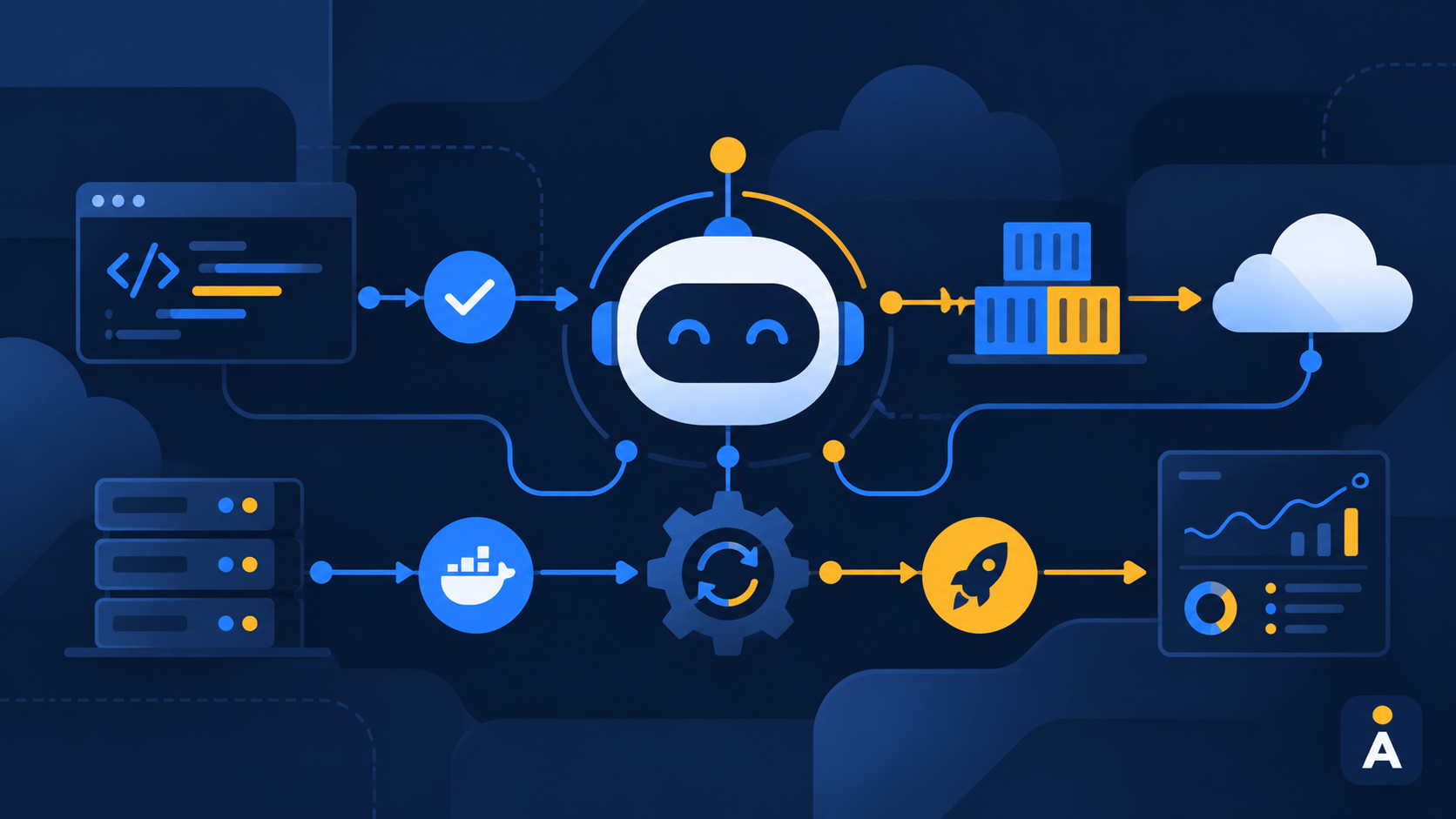
Agentic DevOps is a modern learning pathway that equips engineers to design, build, and operate software systems where AI agents actively participate in the DevOps lifecycle. It extends traditional DevOps practices by introducing autonomous and semi-autonomous agents that can generate code, orchestrate CI/CD pipelines, provision infrastructure, monitor systems, and assist in incident response, all within well-defined guardrails. Learners gain hands-on experience structuring agent-enabled workflows using APIs and tool-based interactions (such as MCP), implementing human-in-the-loop controls, and ensuring security, observability, and cost efficiency in production environments. By the end of the pathway, engineers are able to shift from manual execution to intent-driven operations, where humans define objectives and constraints while agents handle execution, enabling faster delivery, greater system resilience, and scalable AI-augmented engineering practices.
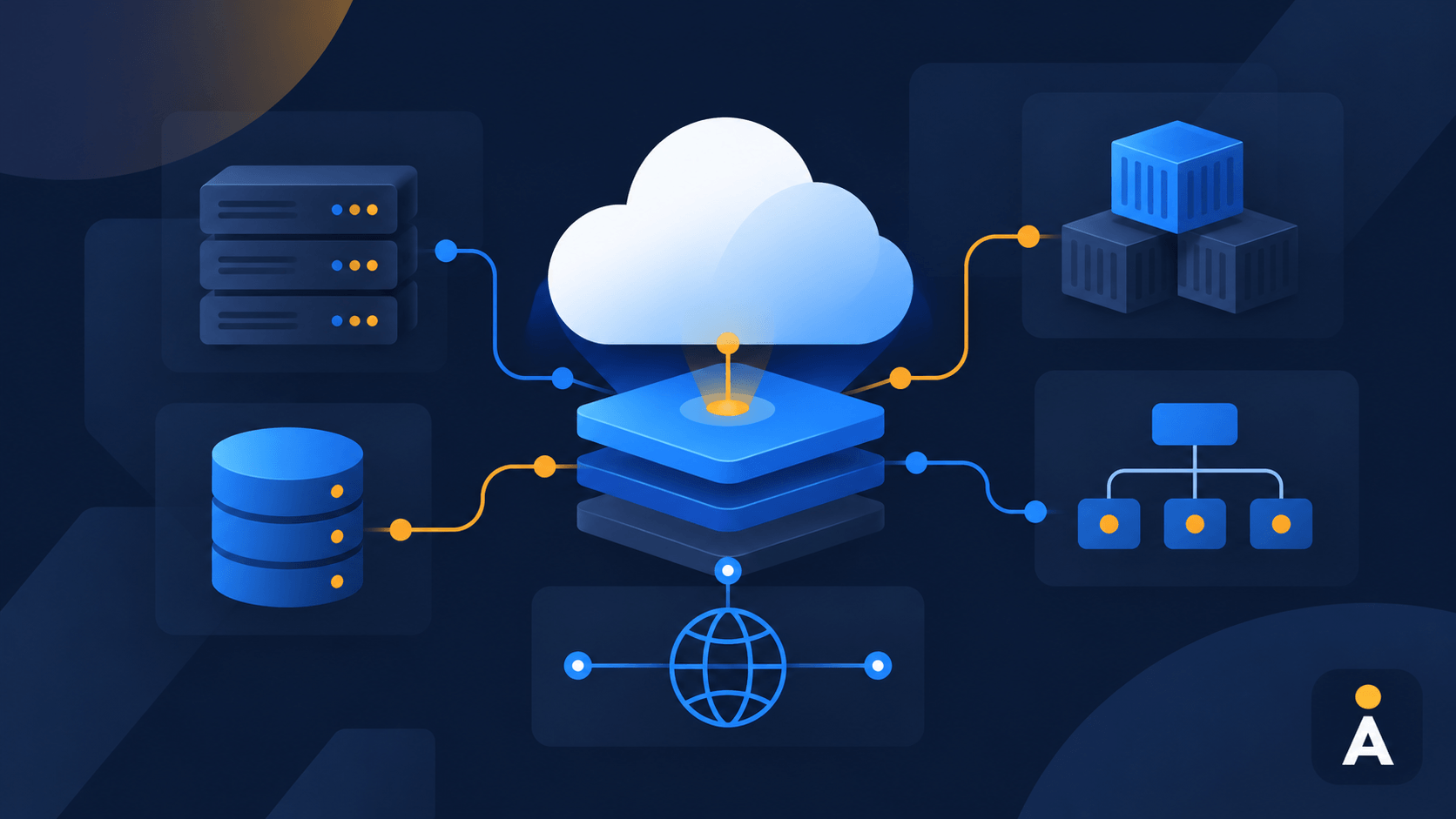
Cloud Engineering covers designing, provisioning, and operating infrastructure on modern cloud platforms — compute, storage, and networking fundamentals, infrastructure as code, identity and access management, cost and scalability tradeoffs, and the resilience patterns needed to run production workloads in the cloud.