Loading...
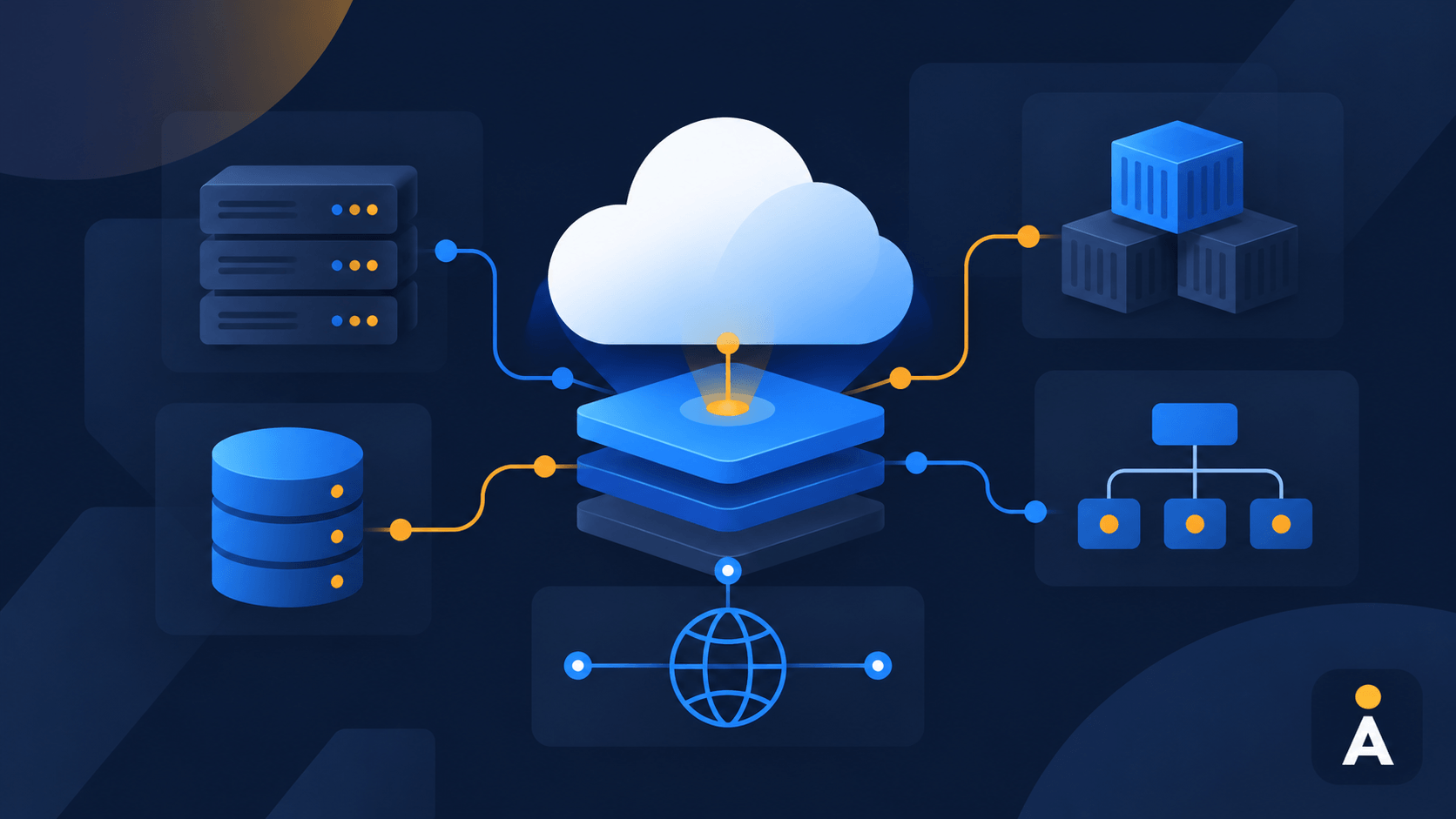
Cloud Engineering covers designing, provisioning, and operating infrastructure on modern cloud platforms — compute, storage, and networking fundamentals, infrastructure as code, identity and access management, cost and scalability tradeoffs, and the resilience patterns needed to run production workloads in the cloud.
3 of 4 levels say what counts here so far. Open one to see it.
Each one is evidence towards a level in this pathway.
L2 OperationalBadge and Certificate
Validates that an engineer can stand up AI infrastructure: select accelerators, use the provider's managed training and hosting surfaces, serve a model, and keep training data inside its boundary.
L2 OperationalBadge and Certificate
Validates that an engineer can build and run real cloud workloads unsupervised — provisioning compute and storage, scoping access, laying out a network, shipping serverless, and operating the provider's own telemetry.
L1 FoundationalBadge and Certificate
Entry-level validation that an engineer can work in a cloud estate: place a workload against the right service model, run compute and storage, understand who can access what, and find their way around a provider's console and CLI.
L2 OperationalBadge and Certificate
Validates that a practitioner can produce a cost number people trust: navigate billing data, allocate spend to the team that caused it, and act on the obvious waste.
L2 OperationalBadge and Certificate
Validates that an engineer can lay out and operate a cloud network: plan addressing, segment it, apply the right filtering layer, expose services through load balancing and DNS, and find out why traffic did not arrive.
L3 ProfessionalBadge and Certificate
Validates judgement over a running AI estate: autoscaling inference on the right signal, managing cold-start and batching trade-offs, and feeding accelerators fast enough to keep them busy.
L3 ProfessionalBadge and Certificate
Validates that an architect can turn a requirement into a defensible cloud design — selecting patterns and services, meeting a stated RTO and RPO, and naming what each choice trades away.
L3 ProfessionalBadge and Certificate
Validates judgement that needs no oversight: diagnosing a broken cloud workload, choosing between managed services on real constraints, holding a least-privilege boundary, and recovering from zone or region loss.
L3 ProfessionalBadge and Certificate
Validates judgement over a cloud bill: choosing a commitment posture against a usage profile, right-sizing from evidence, forecasting credibly, and running FinOps across engineering and finance.
L3 ProfessionalBadge and Certificate
Validates judgement over a production cloud network: diagnosing connectivity from flow logs, designing hybrid interconnection, and holding security controls without locking the business out.
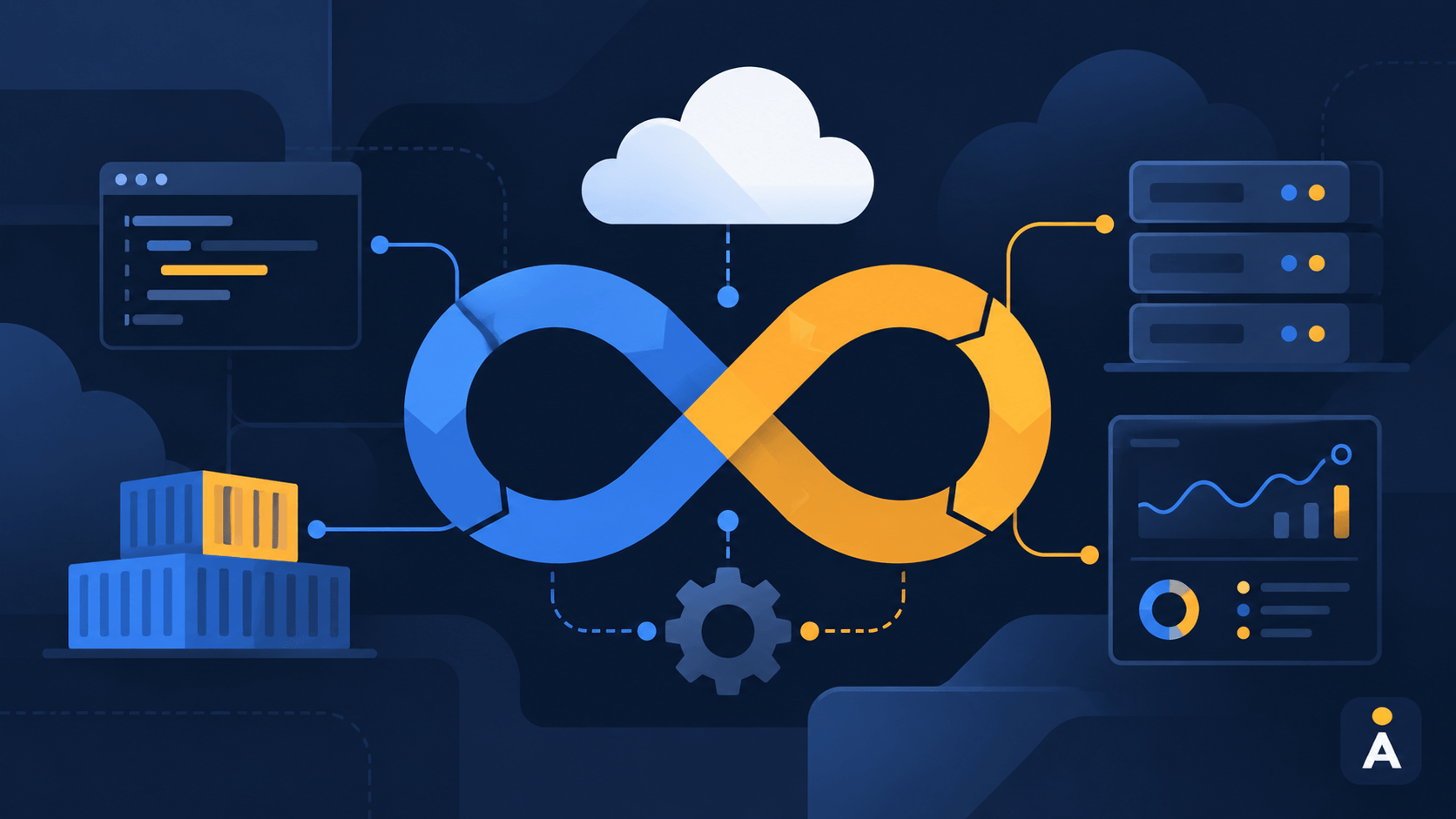
DevOps & Platform Engineering equips engineers to build and operate the systems that ship and run software reliably — version control workflows, CI/CD pipelines, containerization and orchestration (Docker, Kubernetes), infrastructure as code (Terraform), and the shell scripting and observability practices that keep production systems healthy. Learners progress from core Git and CI/CD fundamentals to designing resilient, automated delivery and platform operations.
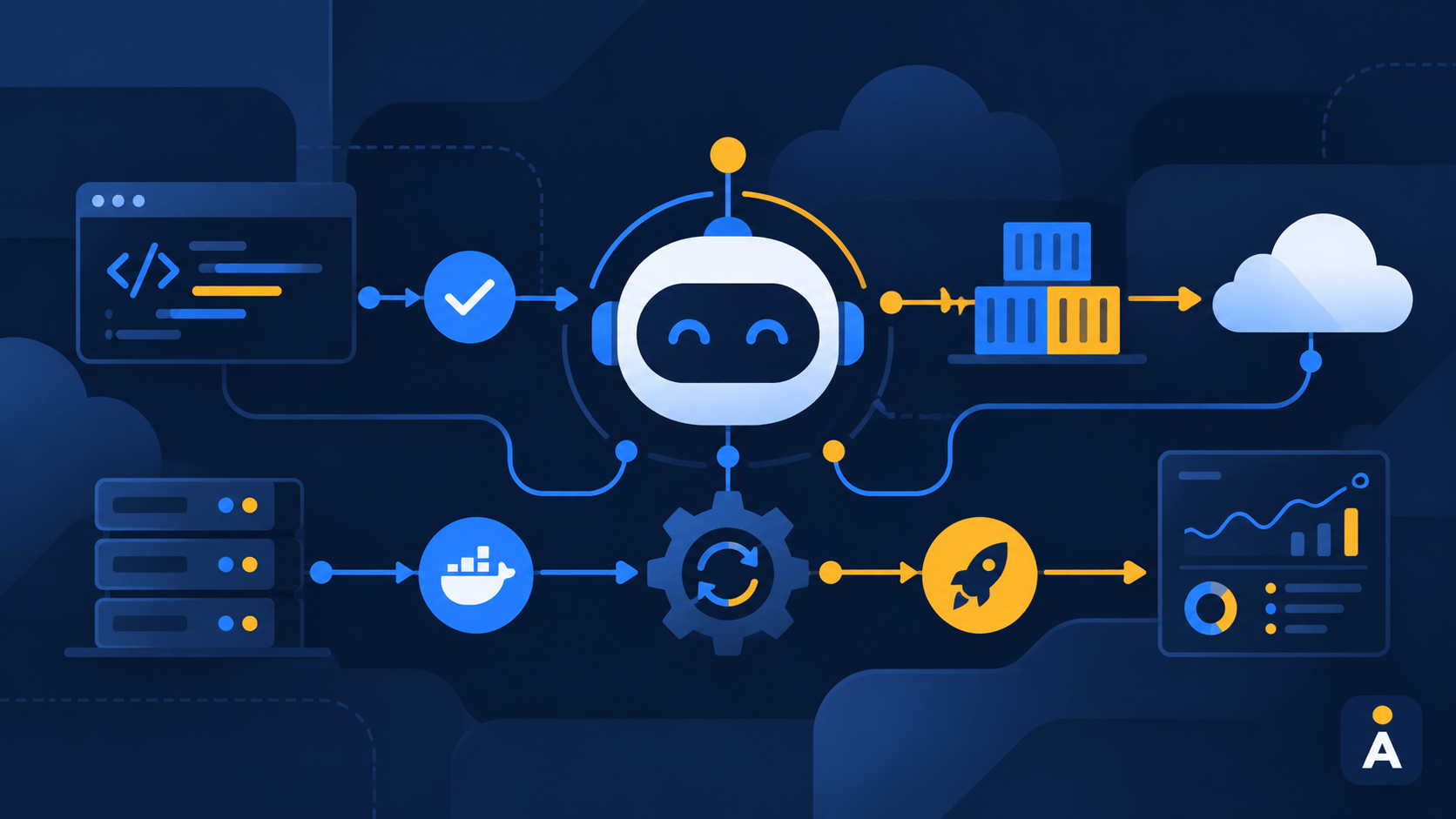
Agentic DevOps is a modern learning pathway that equips engineers to design, build, and operate software systems where AI agents actively participate in the DevOps lifecycle. It extends traditional DevOps practices by introducing autonomous and semi-autonomous agents that can generate code, orchestrate CI/CD pipelines, provision infrastructure, monitor systems, and assist in incident response, all within well-defined guardrails. Learners gain hands-on experience structuring agent-enabled workflows using APIs and tool-based interactions (such as MCP), implementing human-in-the-loop controls, and ensuring security, observability, and cost efficiency in production environments. By the end of the pathway, engineers are able to shift from manual execution to intent-driven operations, where humans define objectives and constraints while agents handle execution, enabling faster delivery, greater system resilience, and scalable AI-augmented engineering practices.